

The Byzantine Era
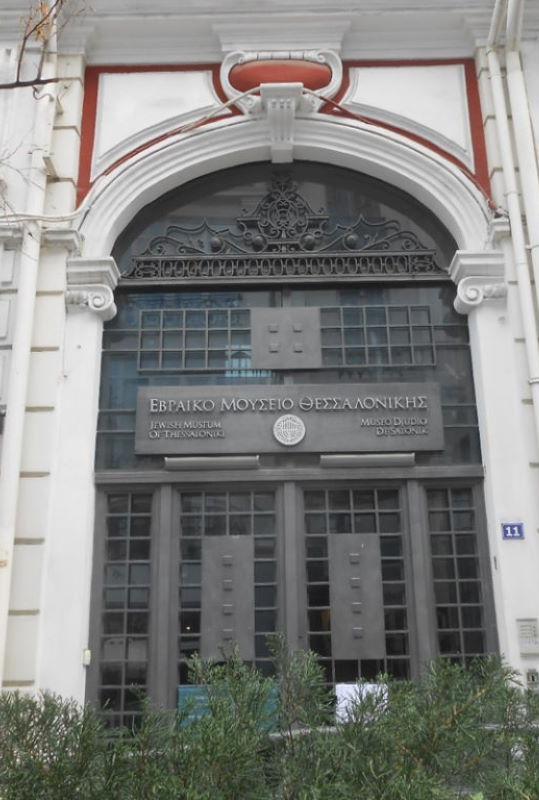
The Jewish Museum of Thessaloniki
During the Byzantine period, Thessaloniki was a wealthy city and a veritable cultural crossroad. The policy of Byzantine Emperors to convert to christianism the different communities of their territories led to the creation of anti-jewish legislations. The emperor Justinian I characterized Jews as second-class citizens and banned the recitation of the daily prayer (Shema).Other byzantine rulers like Vassilios I the Macedonian and Leo VI the Sophos (meaning the Wise) forced the Jews to baptize or to abandon the city. During the years to come, the living conditions of the community did not change. In 1169, the traveller Benjamin of Tudela visited Thessaloniki and cited in his dairy, The Book of Travels, that he met a prosperous community, involved in the silk trade and industry, that numbered 500 citizens, mentioning also Rabin Samuel as head of the community. During the 13th century and until the end of the 14th, Jews from other countries of Europe immigrated to Thessaloniki. During the seven years of Venetian rulership from 1423 to 1430, the heavy taxes imposed on the community forced several Jews to leave the city.